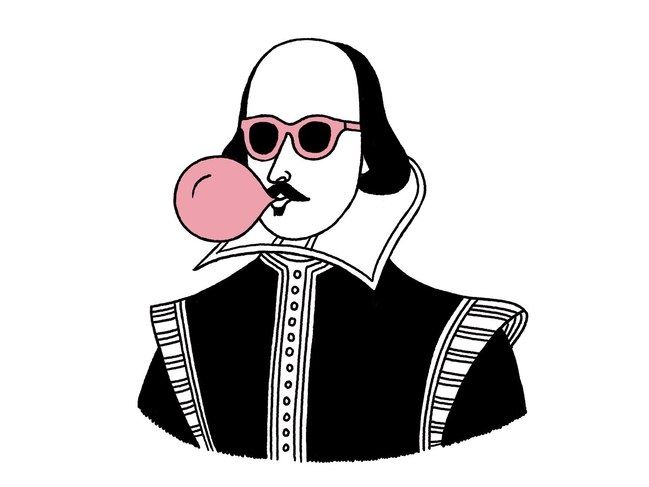
A midterm paper written for my Shakespeare course.

one eye for priceless moments
A midterm paper written for my Shakespeare course.

Douglass could not be more direct in offering his opinion of Christian slaveholders, and his testimony to support this opinion is damning: "I assert most unhesitatingly, that the religion of the south is a mere covering for the most horrid crimes,--a justifer of the most appalling barbarity,--a sanctifier of the most hateful frauds,--and a dark shelter under which the darkest, foulest, grossest, and most infernal deeds of slaveholders find the strongest protection" (1043). How does Douglass construct a counter-narrative in this chapter to the details he records of the behavior of these Christian slaveholders? Where is the moral center of the chapter, in other words? Where are we to look in order not to lose hope?

Assessing whether The Birth-Mark by Hawthorne proves that he is a feminist or not.
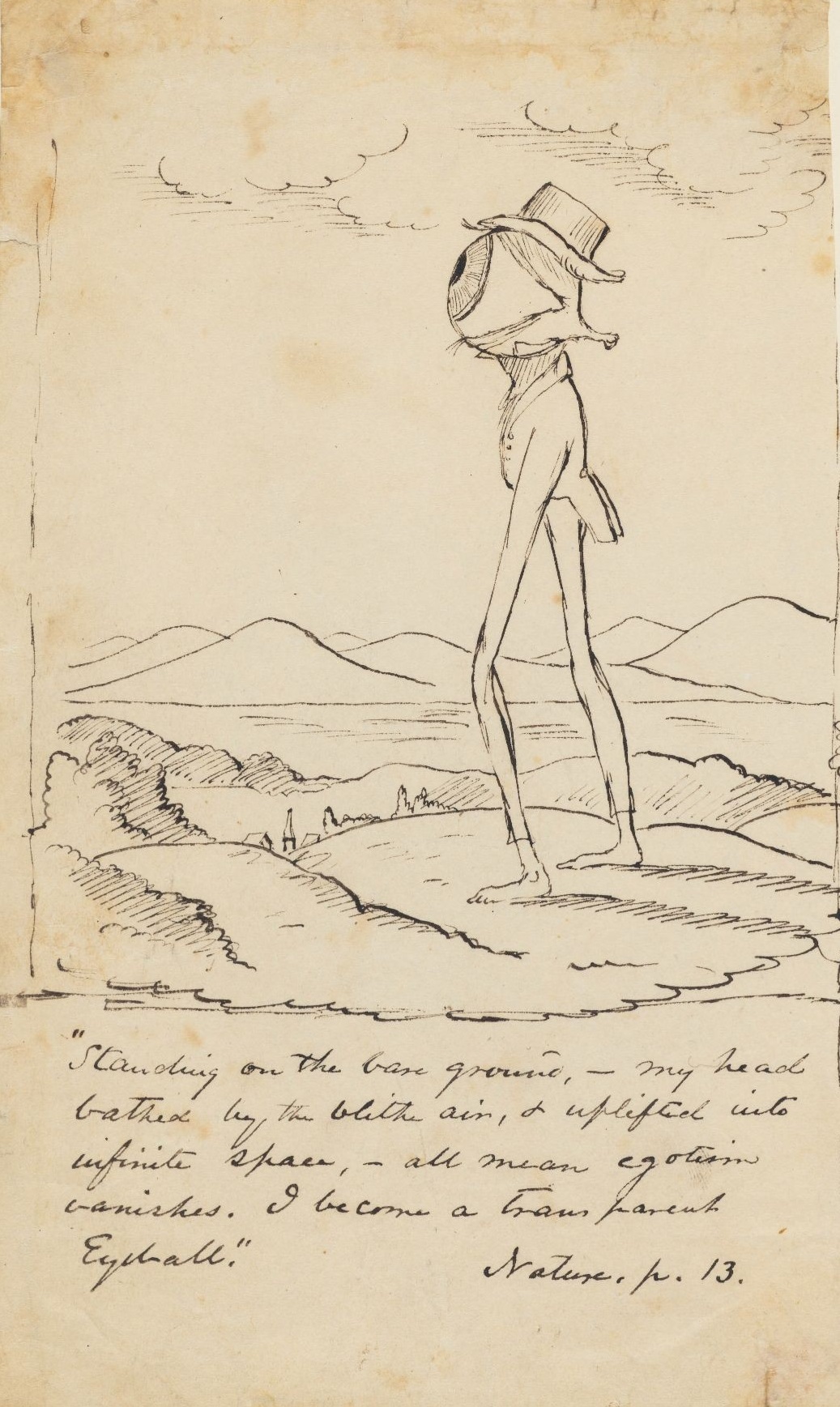
A blog post for class discussing Emerson's "transparent eyeball" concept in "Nature".
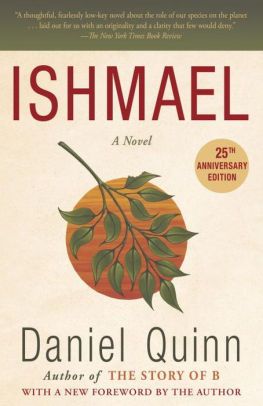
My first journal assignment for class describing some of the reading I had to do for class.
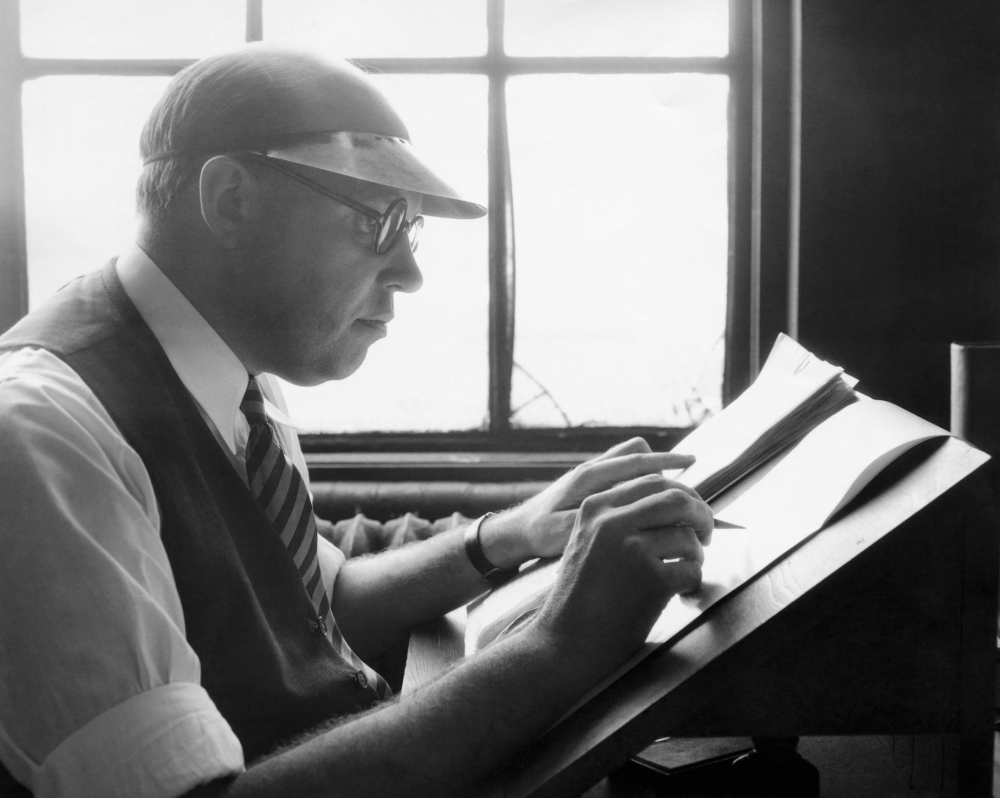
Disclaimer! I have posted this after our final exam for the class was completed, everyone had turned it in and got their final grade in the course. I did not post this with the intent of others to cheat but rather to show my skills on this website, which is my working portfolio. I also… Continue reading Copyediting Portfolio

A short fiction story I wrote for a fiction writing course. This story tells the tale of a peasant boy living in medieval England whose brother ends up creating a siren. How? You'll have to read to find out.

An oral presentation I completed for an online class where I discuss what copyeditors do and how to become a copyeditor.
August September October November Photo by Nong Vang on UnsplashPhoto by Kevin Delvecchio on Unsplash December

During my time in the course, I have learned quite a lot about what digital storytelling is, how to create an effective digital story and why people choose to get into digital storytelling. The answers to all of these has sparked a great interest in digital storytelling for me and is something that I am… Continue reading What I’ve Learned As A Digital Storyteller
 Wink & Wag Photography